
Short answer: To vet an offshore WordPress team, check six things before you sign: live work you can inspect, how they build sites, how they test, how they handle access and security, how communication works across time zones, and whether they can keep your agency’s name front and center. Then run a small paid pilot project before you hand over a major client.
For a US agency, an offshore WordPress partner can add capacity without adding payroll. But when the work goes out under your brand, every missed deadline or broken form lands on you, not on the partner. This checklist shows what to look at, what to ask and which red flags to walk away from. For related reading, see our services, our website design in the Philippines page and our SEO services for agencies.
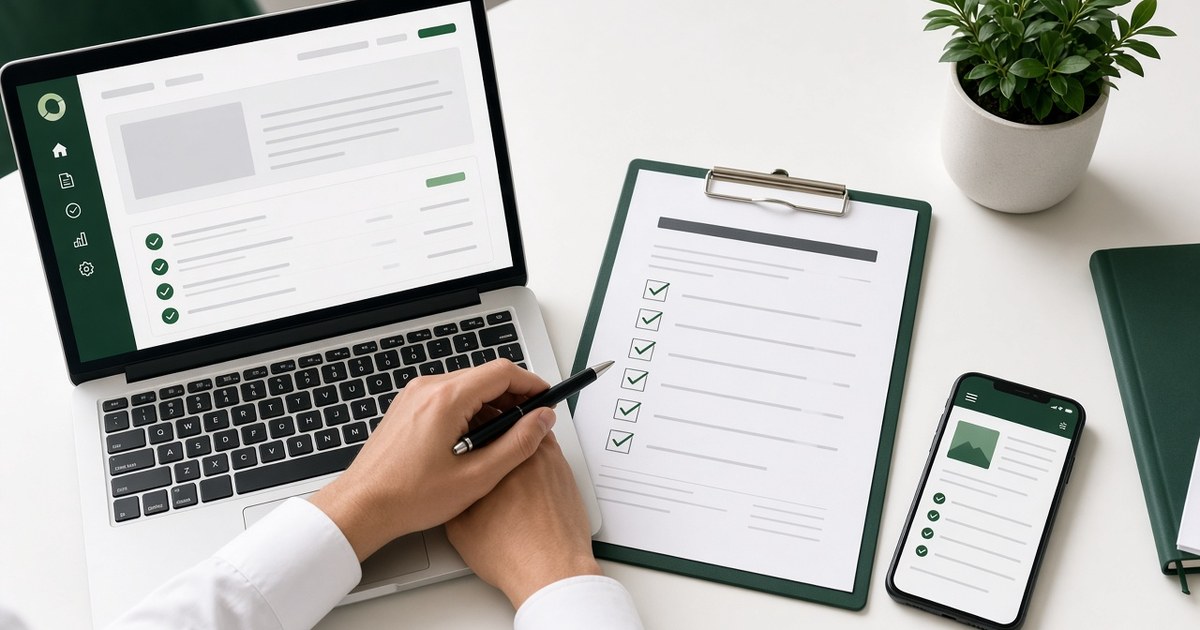
Why Vetting Matters More for White-Label Work
When a business hires a web agency directly, it judges that agency on its own work. In a white-label setup, your client never meets the team that built the site. That means:
- Quality problems become your reputation problem.
- Slow replies become your missed deadline.
- Security shortcuts become your liability.
If you are a business owner choosing an agency for your own site, our guide on how to choose the right web design agency is a better fit. This checklist is written for agencies hiring a production partner.
The Offshore WordPress Team Checklist
1. Live Work You Can Inspect
Screenshots and mockups are easy to polish. Live sites show how a team really builds.
- Ask for live URLs of WordPress sites the team built, including at least one similar to your typical project.
- Open each site on your phone and check navigation, forms and load time.
- Run a few pages through PageSpeed Insights to see real performance data and Core Web Vitals.
- Submit a test form and confirm it works.
2. Build Standards
Two WordPress sites can look identical and be very different to maintain. Ask how the team builds:
- Which themes and page builders do they use, and why?
- Do they use a child theme or a clean starter theme so updates do not break customizations?
- How do they choose plugins, and do they keep the plugin list short and properly licensed?
- Is custom code documented and kept in version control?
- Do they build on a staging site and move to production only after approval?
3. A Written QA Process
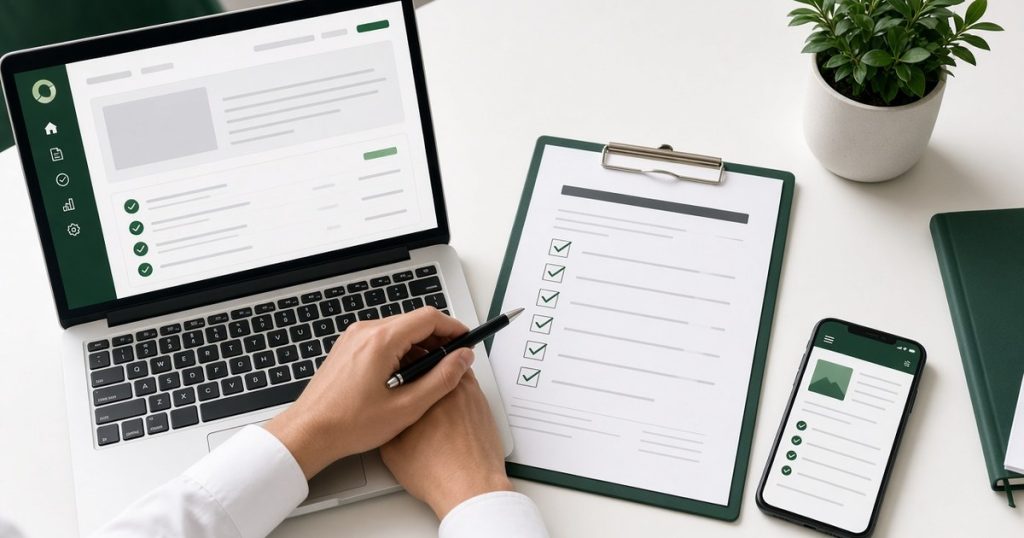
Ask to see the checklist the team uses before a site goes to review. A solid QA process covers:
- Responsive layouts on mobile, tablet and desktop
- Current versions of major browsers
- Forms, links and redirects
- Page speed and image optimization
- Basic on-page SEO: titles, meta descriptions, headings and indexing settings
- Accessibility basics such as color contrast, alt text and keyboard navigation, measured against WCAG 2.2
If the answer is “our developers check their own work,” treat that as a gap. Our guide for Australian agencies outsourcing web development goes deeper into each of these quality areas, and they apply equally to US agencies. For performance specifically, see our website performance optimization tips.
4. Access and Security Habits
Your partner will touch your clients’ hosting, WordPress admin and sometimes DNS. Ask:
- Will each team member get their own login, or will they share one admin account?
- Do they use a password manager instead of sending credentials in chat or email?
- Do they take a backup before updates or major changes?
- Do they ask only for the access they need, and remove it when the project ends?
The official WordPress hardening guide is a useful reference for what good practice looks like.
5. Communication and Time Zones
Manila is on UTC+8 and does not observe daylight saving time. That puts it 12 hours ahead of US Eastern Time from March to November and 13 hours ahead in winter, and further ahead of the West Coast. Handled well, this means work progresses overnight and is ready for review when your day starts. Handled badly, it means a one-day delay on every question.
Ask the team:
- Which tools do they use, and will they work inside yours, such as Slack, Asana, ClickUp or Trello?
- What overlap window do they offer with your business hours?
- How quickly do they reply to messages, and how often do they send progress updates?
- Who is your single point of contact, and who covers when that person is away?
For more on running distributed teams, see How to Build a High-Performing Remote Web Development Team.
6. White-Label Discipline
A white-label partner should be invisible to your client. Check that they:
- Never add their own credits in footers, code comments or admin screens
- Never contact your clients directly unless you ask them to
- Will sign a non-disclosure agreement when required
The commercial side of the partnership, including confidentiality, ownership of the work and payment terms, belongs in a written agreement. Keep that conversation separate from your technical vetting so neither one gets rushed.
7. Capacity and Continuity
A single talented freelancer can be a great resource until they get sick, take another contract or disappear. Ask:
- How many people will work on your projects, and in which roles?
- Is there QA and project management, or does one person do everything?
- Can they add capacity when you land a large client?
Questions to Ask on the First Call
Use these to keep the first conversation focused:
- Can you show me three live WordPress sites you built and talk me through how you built them?
- What does your QA checklist include?
- How do you handle logins and client credentials?
- What hours will you overlap with our team, and how fast do you reply?
- Who is my day-to-day contact?
- How do you price projects, and what is not included in a quote?
- Will you sign an NDA?
- What does a small pilot project with you look like?
Red Flags to Walk Away From
- No live work to show, only mockups or screenshots
- Vague answers about themes, plugins or staging
- Requests for full admin or hosting access before you have agreed on scope
- Shared logins or passwords sent in plain chat
- Prices with no written scope behind them
Run a Paid Pilot Before You Commit
The best vetting tool is real work. Pick a small, low-risk project, such as a landing page, a few new pages on an existing site or a minor redesign, and pay for it properly. Then judge the partner on:
- The quality of the questions they ask about the brief
- How clearly and how often they communicate
- Whether the result passes your own QA without major fixes
- How smooth the handover is
For reference, our direct-client prices start from $750 for a landing page and from $1,200 for a website redesign. Agency partner rates are lower and quoted on request. See our international pricing for the full list. If you want to understand white-label pricing models before you run a pilot, read what a white-label web partner in the Philippines costs and how it works.
A Simple Vetting Scorecard
| Area | What good looks like | Red flag |
|---|---|---|
| Portfolio | Live sites you can test | Screenshots only |
| Build standards | Clear theme, plugin and staging policy | “We use whatever works” |
| QA | Written checklist, separate review | Developers check their own work |
| Security | Individual logins, password manager, backups | Shared admin account |
| Communication | Named contact, set overlap hours | Slow, unpredictable replies |
| White-label discipline | No partner branding, NDA available | Credits in footer or code |
| Capacity | Team with QA and project management | One person does everything |
How Brayne Digital Answers These Questions
We built our white-label web design service for agencies in the United States, the United Kingdom, Canada, Australia and New Zealand. We communicate using your preferred tools and workflows, follow structured processes with QA checks and clear documentation, and deliver everything fully under your brand. We can sign an NDA when required. Our team includes designers, developers, SEO specialists, QA specialists and project managers, and it can expand as your agency grows.
FAQ
What is the best way to test an offshore WordPress team?
Run a small paid pilot project, such as a landing page or a minor redesign. It shows you their communication, quality and handover on real work before you trust them with a major client.
How do time zones work between the US and the Philippines?
Manila is on UTC+8 with no daylight saving time, so it is 12 hours ahead of US Eastern Time for most of the year and 13 hours ahead in winter. Work can progress overnight and be ready for review in your morning.
Should an offshore team have full admin access to client sites?
Only the access they need for the task, through their own individual logins. Access should be removed when the project ends.
Will my clients know an offshore team built their site?
Not with a proper white-label partner. Work should be delivered under your brand with no partner credits, and an NDA can cover confidentiality.
Vet Us the Same Way
We are happy to be measured against this checklist. Learn how our white-label web design service works, check our international pricing, and book a free strategy call to talk through a pilot project.