Industries We Work With
At Brayne Digital, we believe that every industry has unique challenges and opportunities in the digital space. Over the years, we’ve had the privilege of partnering with a diverse set of clients across multiple sectors, refining strategies that are tailor-made to each one’s goals.
Industries We Serve
Real results from Brayne Digital strategies, outcomes, and the work behind them. Sorted by industry, service, and outcomes.

E-commerce & Retail
Boost sales with optimized websites, SEO, and conversion-driven campaigns.

Real Estate & Property Management
Generate leads with property websites, listings, and local SEO.

Healthcare & Wellness
Build trust with secure websites, booking systems, and content marketing.

Hospitality & Tourism
Increase bookings through engaging websites, SEO, and social campaigns.

Construction & Home Improvement
Showcase projects and capture leads with local SEO and digital ads.

IT & Technology
Launch, scale, and market tech products with targeted digital strategies.

Finance & Professional Services
Grow client trust with professional websites, SEO, and lead generation.

Education & Training
Promote courses with SEO, email campaigns, and LMS integrations.

Manufacturing & Industrial
Reach B2B buyers with optimized product sites and targeted campaigns.

Jewelry & Luxury Goods
Highlight elegance with premium web design, SEO, and influencer marketing.

Food & Beverage
Drive orders and foot traffic with menus, SEO, and social media.

Nonprofit & Community Organizations
Engage supporters with donation pages, storytelling, and email marketing.

Automotive
Showcase vehicles and services with SEO, ads, and online booking.

Beauty & Lifestyle
Build brand presence with stylish websites, e-commerce, and social media.

Banking
Build brand presence with stylish websites, e-commerce, and social media.
Why Choose Us
At Brayne Digital, our mission is simple yet profound: to empower businesses, both big and small, with the digital tools and strategies they need to succeed in today’s ever-evolving online landscape. We believe that every brand has a unique story to tell, and we are here to help you tell it in the most captivating and compelling way possible.
Cutting-Edge Innovation
We stay ahead of digital trends and technologies to deliver solutions that keep your business competitive and relevant in an ever-evolving marketplace.
Deep Industry Knowledge
Our team brings years of experience across diverse sectors, understanding the unique challenges and opportunities within your industry.
Client-Centric
Your vision and goals drive everything we do. We listen, adapt, and create strategies that align with your business objectives and aspirations.
Reliability
We pride ourselves on delivering quality work on time and within budget.
Measurable Results
We believe in transparency and accountability. Every campaign and project is tracked with clear metrics that demonstrate real impact and ROI.
Long-Term Commitment
We're not just a service provider, we're your digital partner. We build lasting relationships focused on sustainable growth and continued success.


Why Partner with Brayne Digital Across Industries?
Brayne Digital Marketing Agency partners with businesses locally and internationally to deliver impactful digital solutions. From website design and development to SEO and SEM, we create strategies that drive real results and maximize your marketing investment.
Trusted by brands, loved by clients.

Best Digital Marketing Strategy for Businesses in Cavite
Introduction
Many businesses in Cavite invest in digital marketing with the expectation of generating consistent leads and sales. They run social media campaigns, boost posts, or even launch ads, yet the results remain unpredictable. Some months bring inquiries, while others are completely quiet.
The issue is not a lack of effort but a lack of strategy. Most businesses approach digital marketing as a set of disconnected tactics rather than a system built around a central asset.
In this article, you will learn what the most effective digital marketing strategy looks like for businesses in Cavite, why many efforts fail to deliver results, and how to build a system that consistently attracts and converts the right audience.
The Core Problem: Why Digital Marketing Efforts Fail
Disconnected Marketing Channels
One of the most common issues is treating each marketing channel separately. Social media, paid ads, and SEO are often managed independently without a unified direction.
This creates gaps in the customer journey. A potential customer may discover your business on social media but finds no clear path to learn more or take action. Without a connected system, interest does not turn into inquiries.
Over-Reliance on Social Media
Many businesses in Cavite rely heavily on social media platforms as their primary marketing tool. While social media is effective for visibility, it is not designed to fully control the customer journey.
Algorithms change, reach fluctuates, and content can easily get lost. Without a strong foundation such as a website, businesses struggle to convert attention into actual leads.
Weak Website Foundations
Even when businesses invest in digital marketing, their websites are often not built to convert. Common issues include unclear messaging, poor navigation, slow performance, and lack of clear calls to action.
When traffic is driven to a website that is not optimized, the result is wasted marketing spend and missed opportunities.
Lack of SEO Strategy
Search engine optimization is often overlooked or implemented too late. Many businesses focus on short-term campaigns instead of building long-term visibility.
Without SEO, your business misses on high-intent users who are actively searching for your products or services.
Business Impact: What This Means for Growth
When digital marketing lacks structure, the impact on business performance becomes clear.
Lead generation becomes inconsistent. Without a reliable system, businesses depend on short-term campaigns or seasonal demand, making it difficult to forecast growth.
Marketing costs are increasing. Businesses spend more on ads to compensate for poor conversion rates and lack of organic traffic.
Brand credibility suffers. A fragmented online presence can create confusion and reduce trust, especially when potential customers encounter inconsistent messaging across platforms.
Most importantly, opportunities are lost. Potential customers who show interest do not convert because there is no clear and optimized path guiding them to act.
Solutions: Building an Effective Digital Marketing Strategy
Start with a Conversion-Focused Website
Your website should serve as the central hub of your digital marketing strategy. It is where all traffic should be directed and where conversions should happen.
A well-designed website clearly communicates your value, builds trust, and guides users toward specific actions such as inquiries or bookings. This requires strong messaging, structured layouts, and strategic placement of calls to action.
Without this foundation, even the best marketing campaigns will struggle to deliver results.
Align Website Development with Performance
Website performance is a critical factor that directly affects user experience and conversions. Slow loading times, poor mobile responsiveness, and technical issues can drive potential customers away.
Optimized development ensures that your website is fast, stable, and accessible across all devices. This is especially important in Cavite, where a large portion of users access websites through mobile phones.
A high-performing website increases engagement and improves the likelihood of conversion.
Integrate SEO for Long-Term Growth
SEO should be a core part of your digital marketing strategy, not an optional add-on. By targeting the right keywords and optimizing your website structure, you can attract users who are actively searching for your services.
This creates a steady flow of high-quality traffic over time. Unlike paid ads, SEO continues to deliver results even without ongoing ad spend.
For businesses in Cavite, local SEO is particularly important. Optimizing for location-based searches helps you reach nearby customers who are ready to take action.
Use Paid Ads Strategically
Paid advertising can be highly effective when used correctly. However, it should not be the only driver of traffic.
Ads should be used to amplify a strong foundation. When directed to a well-optimized website, paid campaigns can generate immediate results while SEO builds long-term visibility.
The key is to focus on quality over quantity. Target the right audience, use clear messaging, and ensure that landing pages are designed to convert.
Leverage Social Media as a Support Channel
Social media should support your overall strategy, not replace it. It is effective for building awareness, engaging with your audience, and reinforcing your brand.
However, the goal should always be to guide users from social platforms to your website, where conversions can happen in a controlled environment.
When used strategically, social media becomes a powerful tool for driving traffic and nurturing potential customers.
Strategic Insight: A Realistic Business Scenario
Consider a service-based business in Cavite that relied heavily on social media promotions. They regularly posted content and boosted ads, generating occasional inquiries but no consistent lead flow.
The turning point came when they shifted their focus to building a structured digital marketing system. They developed a conversion-focused website with clear messaging and optimized performance.
SEO was implemented to target local search terms, allowing the business to appear in relevant searches. Paid ads were then used to drive targeted traffic to specific landing pages.
Over time, the business experienced a steady increase in qualified leads. Instead of relying on unpredictable social media results, they built a system that consistently attracted and converted potential customers.
The improvement was not due to a single tactic, but the alignment of website design, development, and SEO within a unified strategy.
FAQ
What is the most important part of a digital marketing strategy?
The most important part is having a strong foundation, which is typically your website. Without a conversion-focused website, other marketing efforts will struggle to produce meaningful results.
Is social media enough for marketing a business in Cavite?
Social media alone is not enough. While it helps with visibility, it does not provide full control over conversions. A website is necessary to turn attention into actual leads.
How long does SEO take to show results?
SEO is a long-term strategy. It typically takes several months to see consistent results, but it provides sustainable traffic and leads over time.
Should small businesses invest in paid ads?
Yes, but only after ensuring that their website is optimized for conversions. Paid ads can drive traffic quickly, but without a strong website, the return on investment will be limited.
How can I tell if my website is underperforming?
Signs include low inquiry rates, high bounce rates, and low engagement. If you are getting traffic but not converting visitors into leads, your website likely needs improvement.
What role does website performance play in digital marketing?
Website performance directly affects user experience and conversion rates. A fast and responsive website keeps users engaged and increases the chances of them taking action.
Conclusion
The best digital marketing strategy for businesses in Cavite is not built on isolated tactics. It requires a strategic approach that integrates website design, development, and SEO into a cohesive system.
When these elements work together, your website becomes more than just an online presence. It becomes a reliable lead generation tool that supports long-term business growth.
Businesses that succeed in digital marketing are those that focus on building systems, not just running campaigns. By aligning your strategy with clear goals and a strong foundation, you can create consistent and measurable results.

Custom Graphics vs Canva Templates: Which Is Better for Your Business?
Introduction
Many businesses rely on visuals to communicate their brand, promote their services, and support their marketing efforts. With tools like Canva becoming widely accessible, it has become easy for companies to create graphics quickly and at low cost. However, this convenience often raises an important question. Are template-based designs enough to support long-term business growth, or is it better to invest in custom graphics?
For business owners and marketing leaders, this decision goes beyond aesthetics. It affects brand perception, website performance, user experience, and even search visibility. Choosing the right approach can influence how your audience engages with your website and whether that engagement leads to actual conversions.
This article explains the key differences between custom graphics and Canva templates, how each approach impacts your business, and what you should consider when aiming to improve website performance and lead generation.
The Core Problem: Why Businesses Struggle with Visual Content Decisions
Many businesses default to Canva templates because they are easy to use and require little design experience. While this can be helpful in the early stages, it often leads to a lack of consistency and originality across marketing materials and websites.
Template-based designs are created for mass use. This means that multiple businesses may end up using similar layouts, styles, and visual elements. As a result, your brand may fail to stand out, especially in competitive industries where differentiation is critical.
From a website design perspective, templates may not align well with your site structure or user journey. Graphics may be added without considering how they support content flow or guide users toward taking action. This disconnect can weaken the overall user experience.
There are also limitations from a development and performance standpoint. Many template-based graphics are not optimized for web use. Large file sizes and inconsistent formatting can slow down your website, which directly affects user engagement and search rankings.
How This Impacts Your Business Growth
The choice between custom graphics and templates has a direct impact on how your business is perceived and how effectively your website performs.
When your visuals lack consistency or originality, it becomes harder to build a strong brand identity. Visitors may not clearly remember your business or may perceive it as less professional. This can reduce trust, which is a key factor in conversion.
Poorly integrated graphics can also disrupt the user experience. If visuals do not support the content or distract from key messages, users may struggle to understand your offer. This often leads to higher bounce rates and fewer inquiries.
From an SEO perspective, unoptimized images can slow down your website. Page speed is an important ranking factor, and delays in loading can reduce both visibility and user satisfaction. In addition, generic visuals do not contribute to content value, which can limit your ability to stand out in search results.
Ultimately, these issues combine to reduce the effectiveness of your website as a lead generation tool. Even with strong traffic, your ability to convert visitors into customers becomes limited.
Practical Fixes: How to Use Graphics to Improve Website Conversions
To get better results from your website, your approach to visuals should be intentional and aligned with your overall strategy.
Start by evaluating your current website design. Identify areas where graphics are not supporting your message or where they may be causing distractions. Replace generic visuals with graphics that clearly communicate your value and guide users toward key actions.
Focus on consistency across all pages. Colors, typography, and visual styles should align with your brand. This creates a more professional appearance and improves user trust.
Work closely with developers to ensure that all graphics are optimized for performance. This includes proper file sizes, formats, and responsive design for different devices. Faster websites lead to better engagement and higher conversion rates.
Align your visuals with your SEO strategy. Use images that support your content and enhance the user experience. Well integrated visuals can help keep users on your page longer, which can positively influence search performance.
If your website is outdated or heavily reliant on templates, consider a redesign. This allows you to rebuild your visual structure with a focus on conversions, performance, and long-term scalability.
Strategic Insight: A Realistic Business Scenario
Consider a growing service-based business that relies heavily on its website for lead generation. Initially, the company uses Canva templates for all its visuals. The website looks acceptable, but it lacks a clear visual identity. Graphics are inconsistent, and some images slow down page loading.
Despite steady traffic from SEO efforts, the website generates few inquiries. Visitors leave without taking action, and the business struggles to understand why.
After investing in custom graphics and a website redesign, the company aligns its visuals with its messaging. Each page is structured to guide users through the content, with clear visual cues and calls to action. Images are optimized for speed, and the overall design becomes more cohesive.
As a result, user engagement improves. Visitors spend more time on the site, and inquiries begin to increase. The same level of traffic now produces better results because the website is designed to convert.
This example highlights the importance of aligning design, development, and SEO to achieve meaningful outcomes.
FAQ
Are Canva templates bad for business websites?
Do custom graphics improve website conversions?
Yes, custom graphics can improve conversions when they are aligned with your messaging and user journey. They help guide visitors, build trust, and make your website more engaging.
How do graphics affect website performance?
Graphics can impact loading speed and overall user experience. Large or unoptimized images can slow down your website, which may lead to higher bounce rates and lower conversions.
Should I redesign my website if I use templates?
Can graphics influence SEO performance?
Yes, graphics play a role in SEO. Optimized images improve page speed and user engagement. Both factors contribute to better search rankings over time.
What is the best approach for growing businesses?
A balanced approach works best. Use templates for quick tasks when needed, but invest in custom graphics for your website and key marketing assets. This supports long-term growth and stronger brand positioning.
Conclusion
The choice between custom graphics and Canva templates is not just about design preference. It reflects how your business approaches growth, branding, and lead generation. While templates offer convenience, they often fall short in supporting a structured and high-performing website.
Most conversion issues are not caused by a single factor. They come from a combination of design limitations, performance issues, and weak alignment with user intent. When visuals are not integrated properly into your website, they can limit both user experience and results.
Improving your website requires a strategic approach that connects design, development, and SEO. Custom graphics play an important role in this process by helping you create a clear, consistent, and effective user experience.
Your website should be more than a digital presence. It should function as a reliable system for attracting and converting leads. Investing in the right visual approach is a key step toward achieving that goal.

Website Design Philippines: What You Need to Know to Drive Real Business Results
Website Design Philippines: Why Sites Fail and How to Fix Them
Many businesses in the Philippines invest in a website expecting it to generate leads and support growth. In reality, most websites do very little beyond acting as a digital brochure.
The design may look acceptable at first glance, but performance tells a different story. The site fails to attract traffic, engage visitors, or convert interest into actual inquiries.
This problem is more common than most business owners expect. The issue is not just design. It is the lack of alignment between strategy, development, and SEO.
When these elements are disconnected, the website becomes an underperforming asset instead of a driver of revenue.
The Core Problem: Why Many Websites Underperform
Lack of Strategic Design Thinking
A common issue in website design in the Philippines is the focus on visuals without a clear business objective.
Many websites are built to look modern but lack structure. There is no clear user journey. Visitors land on the page and are unsure what to do next.
Without clear messaging and layout, users leave quickly. This increases bounce rates and reduces conversions.
Weak Development and Performance Standards
Performance is one of the most overlooked factors in web design.
Slow websites frustrate users and reduce engagement. According to Web.dev
https://web.dev/vitals/
site speed directly impacts both user experience and search rankings.
You can test your website using Google PageSpeed Insights
https://pagespeed.web.dev/
Many websites in the Philippines still struggle with:
- Slow load times
- Poor mobile responsiveness
- Inconsistent functionality
These issues create friction that pushes users away.
Poor SEO Integration
SEO is often treated as an optional add-on instead of a foundation.
Many websites launch without proper keyword targeting, structure, or technical optimization. This makes it difficult for potential customers to find the business online.
Understanding search intent is critical. Resources from Moz
https://moz.com/learn/seo/search-intent explain how aligning content with user intent improves rankings and visibility.
Business Impact: Why This Matters
When design, development, and SEO are not aligned, the business impact is immediate.
A poorly structured website reduces trust. Visitors cannot quickly understand your value, so they leave.
Slow performance creates frustration. Even interested users abandon the site before it fully loads.
Lack of SEO visibility limits your reach. Without organic traffic, businesses rely heavily on paid ads.
Research from HubSpot https://blog.hubspot.com/marketing/conversion-rate-optimization shows that user experience and conversion optimization directly affect lead generation.
Over time, the website becomes an expense instead of an investment.
What Effective Website Design in the Philippines Should Include
Conversion-Focused Design
Effective web design starts with understanding user intent.
Every page should guide visitors toward a specific action. This includes:
- Clear headlines
- Strong value propositions
- Strategic call-to-action placement
Design should not only look good. It should drive results.
Optimized Website Performance
Speed and usability are critical.
A well-developed website should:
- Load quickly
- Work across all devices
- Maintain consistent functionality
Improving performance increases engagement and conversions.
Mobile-First Experience
Most users in the Philippines access websites through mobile devices.
This means your website must be:
- Fully responsive
- Easy to navigate on smaller screens
- Fast even on slower connections
Mobile usability is no longer optional. It directly affects both user experience and SEO.
Strategic Website Redesign
If your website is outdated, a redesign may be necessary.
However, redesign is not just about appearance. It requires rethinking structure, content, and performance.
A strategic website redesign focuses on:
- Improving navigation
- Simplifying user flow
- Strengthening messaging
- Aligning with business goals
When done correctly, redesign can significantly improve conversions.
SEO Built Into the Foundation
SEO should be integrated from the beginning.
This includes:
- Keyword research
- Optimized page structure
- Internal linking
- Technical SEO setup
Google’s official guidelines from
Google Search Central https://developers.google.com/search/docs/fundamentals/seo-starter-guide highlight the importance of building websites that are both user-friendly and search-friendly.
When SEO is done correctly, your website becomes a long-term asset that generates consistent traffic.
Strategic Insight: A Realistic Transformation
Consider a mid-sized service company in the Philippines with an outdated website.
The site had:
- Low traffic
- Poor engagement
- Minimal inquiries
Despite investing in marketing, results remained inconsistent.
After a strategic redesign, several changes were made:
- Clear messaging was introduced
- Website speed was improved
- Mobile experience was optimized
- SEO was implemented
Over time, the results improved:
- More qualified traffic
- Higher engagement
- Increased inquiries
The key insight is simple. Growth did not come from design alone. It came from aligning design, development, and SEO into a single strategy.
FAQ
How important is website design for businesses in the Philippines?
When should a business consider a website redesign?
A redesign is necessary when the current website is outdated, difficult to navigate, or not generating leads. If performance issues or low conversion rates persist, it is time to reassess the entire website strategy.
Does website performance really affect conversions?
Yes, performance has a direct impact on user experience. Slow-loading websites increase bounce rates and reduce the likelihood of users completing desired actions such as inquiries or purchases.
How does SEO fit into website design?
SEO should be integrated during the design and development process. This ensures that the website is structured in a way that search engines can understand and rank effectively.
Can a website generate leads without paid ads?
Yes, with proper SEO and conversion-focused design, a website can consistently generate organic leads. However, this requires a well-planned strategy and ongoing optimization.
What is the biggest mistake businesses make with their websites?
One of the biggest mistakes is treating the website as a one-time project instead of an evolving business tool. Without continuous improvement, the website quickly becomes outdated and less effective.
Conclusion
Website design in the Philippines is not just about aesthetics. The real challenge lies in aligning design, development, and SEO into a unified strategy that supports business growth.
When these elements are disconnected, the website fails to generate leads and deliver meaningful results. However, when approached strategically, a website becomes a powerful asset that attracts, engages, and converts potential customers.
For businesses aiming to grow, the focus should not be on simply having a website, but on building one that functions as a reliable lead generation engine.

Why Your Website Isn’t Converting (10 Proven Fixes to Get More Leads)
Introduction
Many businesses invest in building a website and driving traffic through SEO, social media, or paid ads. Yet despite these efforts, the results often fall short. Visitors come in, browse for a few seconds, and leave without taking any action. No inquiries. No calls. No sales.
This situation is more common than most business owners expect. The issue is not always the amount of traffic. In many cases, the problem lies in how the website is designed, how it performs, and how well it matches what visitors are actually looking for.
A website should do more than present information. It should guide visitors, build trust, and lead them toward a decision. When it fails to do this, conversions suffer. This article explains the most common reasons why websites do not convert and what businesses can do to fix them.
The Real Problem: Why Most Business Websites Fail to Convert
A website that does not convert usually has several underlying issues. These problems may not be obvious at first, but they directly affect how visitors behave on the site.
One of the most common issues is a lack of clear messaging. When visitors land on a website, they need to quickly understand what the business offers and how it can help them. If this is not clear within the first few seconds, they are likely to leave.
Another issue is poor design and layout. A cluttered or outdated design makes it harder for users to find information. Confusing navigation forces visitors to think too much about where to click next. When the experience feels difficult, users lose interest.
Technical performance also plays a major role. Slow loading pages, broken links, and poor mobile experience can drive visitors away before they even explore the site. Today’s users expect websites to load quickly and work smoothly across all devices.
There is also the issue of mismatched traffic. If a website attracts visitors who are not ready to take action, conversions will remain low. This often happens when SEO targets the wrong keywords or focuses only on traffic volume instead of user intent.
How Low Conversions Impact Your Business Growth
When a website fails to convert, the impact goes beyond missed opportunities. It affects the overall performance of your marketing efforts and limits your ability to grow.
One of the most immediate effects is the loss of potential leads. Every visitor who leaves without taking action represents a missed opportunity for revenue. Over time, this can result in significant losses, especially if the website receives steady traffic.
Low conversions also reduce the return on investment from marketing campaigns. Whether you are investing in SEO, paid ads, or social media, the goal is to generate leads and sales. If your website does not convert, your marketing spend becomes less effective.
In addition, a poorly performing website can affect how people perceive your brand. Visitors often judge a business based on its website. If the site looks outdated or is difficult to use, it can reduce trust and credibility.
Finally, low conversions put your business at a disadvantage compared to competitors. Companies with better websites are more likely to capture the same audience and turn them into customers.
10 Proven Fixes to Improve Website Conversions
Improving website conversions requires a combination of design improvements, technical upgrades, and better alignment with user intent. Below are ten proven ways to make your website more effective.
1. Clarify Your Value Proposition
Your website should clearly explain what your business offers and why it matters. This message should be visible as soon as a visitor lands on the page. Avoid vague statements and focus on specific benefits that address your audience’s needs.
2. Improve Website Design and Layout
A clean and structured design makes it easier for visitors to understand your content. Use clear headings, organized sections, and enough spacing to improve readability. A well designed layout helps guide users toward important actions.
3. Optimize Website Speed and Performance
Speed is critical for user experience. Slow websites increase bounce rates and reduce engagement. Optimize images, reduce unnecessary scripts, and use reliable hosting to ensure faster loading times.
4. Make Your Website Mobile Friendly
A large portion of website traffic comes from mobile devices. Your website should adapt to different screen sizes and remain easy to use on smartphones and tablets. A poor mobile experience can significantly reduce conversions.
5. Strengthen Your Calls to Action
Visitors need clear direction on what to do next. Use simple and direct calls to action such as contacting your team, requesting a quote, or booking a consultation. Place these prompts in visible areas across your pages.
6. Align SEO with User Intent
Attracting the right audience is just as important as improving the website itself. Focus on keywords that reflect what potential customers are searching for when they are ready to take action. This increases the chances of converting visitors into leads.
7. Build Trust with Credibility Elements
Trust plays a major role in decision making. Include testimonials, client reviews, and examples of past work to show proof of your results. These elements help reduce hesitation and build confidence in your services.
8. Simplify Navigation and User Flow
Visitors should be able to move through your website without confusion. Keep your navigation simple and make it easy to find key pages. Reduce unnecessary steps between landing on the site and taking action.
9. Use Dedicated Landing Pages
Instead of sending all traffic to your homepage, create specific pages for different services or campaigns. Landing pages allow you to focus on a single message and guide users toward a specific goal.
10. Redesign Outdated Websites
If your website has not been updated in several years, it may no longer meet current standards. A redesign can improve both appearance and performance. It allows you to fix structural issues and create a better experience for your users.
Strategic Insight: What a High Converting Website Looks Like
To understand the value of these improvements, consider a common scenario.
A business invests in SEO and starts receiving steady traffic. However, the website has unclear messaging, slow loading speed, and no strong calls to action. As a result, visitors leave without making inquiries.
After a redesign, the business updates its messaging, improves page speed, and simplifies navigation. It also adds testimonials and clear contact options. With these changes, the same level of traffic begins to generate more leads.
This example shows that conversion is not dependent on a single factor. It is the result of how well design, development, and SEO work together.
FAQ
Why is my website getting traffic but no leads?
How does website design affect conversions?
Website design influences how users interact with your content. A well structured design makes information easy to understand and helps guide visitors toward taking action. Poor design creates confusion and reduces engagement.
Can website speed impact lead generation?
Yes. Slow websites can cause visitors to leave before exploring your content. Faster loading pages improve user experience and increase the likelihood of conversions.
Do I need a website redesign to improve conversions?
How does SEO help increase conversions?
What are the key elements of a high converting website?
Clear messaging, fast performance, easy navigation, strong calls to action, and trust elements are essential. These components work together to guide users toward becoming leads.
Conclusion
Low website conversions are rarely caused by a single issue. In most cases, they result from a combination of problems in design, development, and SEO. A website may attract visitors, but without clear messaging, strong performance, and proper structure, it will struggle to turn that traffic into results.
Improving conversions requires a complete and strategic approach. Businesses need to ensure that their website is easy to use, technically reliable, and aligned with what their audience is searching for. When design, development, and SEO work together, the website becomes far more effective.
A website should not be treated as a simple online presence. It should function as a key part of your business strategy. When properly optimized, it becomes a reliable source of leads and a strong driver of long term growth.
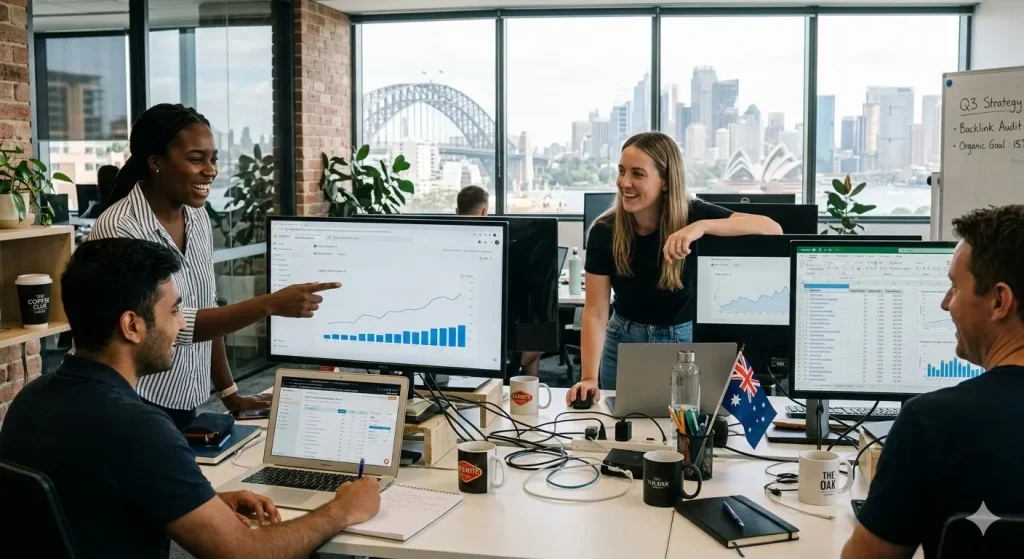
SEO Services in Cavite: How to Rank Your Business on Page 1 of Google
If you run a business in Cavite, Page 1 rankings are not a vanity goal. They are a growth lever that affects lead volume, brand credibility, and month to month revenue predictability.
The problem is that many companies approach SEO like a marketing campaign. They chase keywords, publish a few blog posts, and hope results appear. That approach fails because Google does not reward effort. Google rewards reliability.
Reliable in this context means your website loads fast, stays online, stays secure, stays easy to crawl, and consistently answers what customers are searching for. SEO is performance plus trust over time.
Brayne Digital is based in Dasmariñas, Cavite and provides SEO and related digital services for businesses locally and internationally. This article explains what it takes to rank on Page 1 and keep that position in a way that supports business stability, not just traffic spikes.
The real reason most businesses do not reach Page 1
Most ranking problems are not caused by a lack of effort. They are caused by weak foundations. When the foundation is weak, even good content underperforms.
Here are the patterns that keep Cavite businesses stuck on Page 2 and below:
Technical issues that block crawling or indexing
This includes broken sitemaps, duplicate pages, slow server response, redirect chains, and messy site structure.
Website performance that frustrates users
If the site is slow, users bounce. Bounce signals reduce engagement and weaken performance. Speed also affects Google’s page experience signals.
Local presence that lacks proof
If Google cannot confidently verify who you are, where you are, and what you do, you will struggle in local search. This is common when a business has inconsistent NAP details across listings or an incomplete Google Business Profile.
Content that does not match intent
Ranking requires relevance. Many sites write generic content that is not aligned with local buyer intent, service intent, or decision stage intent.
Changes that break what already worked
A theme update, plugin conflict, hosting change, or migration can quietly break SEO. When that happens, rankings drop and leads slow down. This is where operational discipline matters.
Why Page 1 rankings are a business continuity issue
Executives care about stability. SEO should be treated the same way.
If organic search contributes a meaningful portion of leads, losing rankings is not just a marketing inconvenience. It is revenue disruption.
Common events that cause ranking and traffic loss include:
1.Downtime and server errors
If Googlebot visits and hits repeated failures, the site can be crawled less often. Users also experience errors, which reduces trust and conversions.
2.Performance degradation during peak hours
Some sites work in testing but slow down in real use. When load times increase, engagement drops. Rankings can soften over time as performance signals weaken.
3.Uncontrolled website changes
Publishing a new theme, changing URLs without redirects, or removing key content can erase months of progress.
The businesses that maintain Page 1 positions treat SEO like a system. Not a set of tasks.
What strong SEO Services in Cavite should include
A serious SEO program has four layers. Each layer protects the next.
Layer 1: Technical SEO that keeps the site crawlable and stable
Technical SEO is not optional. It is the baseline for ranking and for maintaining ranking.
A practical technical SEO scope should include:
Site structure and index control
You need clean navigation, consistent internal links, and a clear hierarchy so Google understands what matters. Indexing also needs control so thin pages do not dilute authority.
Key checkpoints:
- XML sitemap is accurate and accessible
- Robots.txt is not blocking important sections
- Canonicals are correct
- Duplicate URLs are resolved
- 404 pages and broken links are fixed
Speed and Core Web Vitals
Brayne Digital positions website development around performance, security, and SEO-ready foundations, which is exactly what SEO needs to scale. (Brayne Digital)
Speed work typically includes:
- Image and asset optimization
- Reducing script bloat
- Caching configuration
- Hosting and server tuning
- Database cleanup for CMS platforms
Security and trust
Malware, spam injections, and security warnings can destroy trust quickly. Security is also operational, not cosmetic.
Minimum expectations:
- SSL enforced sitewide
- Strong admin access controls
- Regular updates and patching
- Backups and restore validation
Layer 2: Local SEO that earns trust in Cavite searches
Local SEO is how you win searches like “near me” and location specific service queries.
A strong local SEO approach focuses on:
Google Business Profile excellence
This is where local rankings often start. It must be complete, consistent, and actively managed.
Key actions:
- Correct business category and services
- Accurate address and service areas
- Reviews strategy and response discipline
- Photo and post cadence
- Q and A management
Citations and NAP consistency
Your name, address, and phone details must match across credible listings. Inconsistency creates doubt and weakens local trust signals.
Location aligned pages
If you serve multiple cities in Cavite, you need pages that reflect that reality without duplicating content. Each page should prove service relevance, coverage, and outcomes.
Layer 3: Content that matches buyer intent and builds authority
Content that ranks is not written for algorithms first. It is written for decision makers and buyers, then structured for search.
A Cavite business that wants Page 1 needs content that does three things:
1.Answers service intent
Service pages should be specific, structured, and conversion oriented.
2.Captures local intent
Local pages and supporting content should reflect the Cavite market, common customer concerns, and real service contexts.
3.Builds topical authority
Blogs should support your service pages, not exist as isolated posts.
Brayne Digital publishes SEO education content and resources, which can support a content program that is structured and consistent.
Layer 4: Operational SEO that prevents ranking loss
This is the part most providers skip, and it is the part executives should care about.
Operational SEO is the discipline of protecting performance during change and recovering quickly when something breaks.
Monitoring and early detection
If you wait for rankings to drop, you are already late.
A monitoring layer should track:
- Uptime and server response
- Crawl errors and indexing changes
- Traffic anomalies
- Core Web Vitals shifts
- Broken forms and conversion failures
Change management for websites
Websites change constantly. SEO breaks when changes are untested.
A stable process includes:
- Staging environment testing
- Controlled releases
- Redirect mapping for URL changes
- Post release validation
Recovery readiness
If something fails, you need a plan. Backups that cannot be restored are not backups. Recovery should be tested.
This mindset aligns with what Brayne Digital promises around reliability and ongoing support after project completion. (Brayne Digital)
A practical Page 1 roadmap for Cavite businesses
Here is a clear sequence that works for most service businesses and growing brands.
Phase 1: Baseline audit and risk removal
Start by removing what blocks progress.
Deliverables:
- Technical audit and fix plan
- Google Search Console and analytics validation
- Indexing cleanup and sitemap verification
- Speed and performance quick wins
- Local profile cleanup and NAP consistency
Outcome: Google can crawl and trust the site. Users can navigate and convert.
Phase 2: Local authority and service page strength
This is where most Cavite businesses see meaningful movement.
Deliverables:
- Service page rewrite or rebuild for intent and conversion
- Local landing pages where relevant
- Google Business Profile optimization and review process
- Internal linking structure that supports money pages
Outcome: better rankings for location based and service intent searches.
Phase 3: Content engine that supports long term rankings
This is where you build durability.
Deliverables:
- Topic cluster plan aligned to services
- Consistent publishing schedule with quality control
- Supporting assets like FAQs and schema where appropriate
- Outreach and digital PR or link earning strategy
Outcome: sustained authority growth and broader keyword coverage.
Phase 4: Stability and continuity layer
This is how you keep Page 1 when competitors react and when systems change.
Deliverables:
- Monitoring and alerting
- Controlled change process
- Monthly technical health checks
- Backup and recovery validation
Outcome: fewer ranking shocks, more predictable lead flow.
Why Brayne Digital is a strong fit for SEO Services in Cavite
Brayne Digital positions its SEO as professional, measurable, and focused on stable rankings, serving businesses in Dasmariñas and across the Philippines.
That emphasis matters because sustainable SEO is not about short-term pushes. It is about consistent execution across technical health, content strategy, and operational discipline.
Brayne Digital also supports website development designed to be fast, secure, scalable, and SEO-ready, which reduces the common friction between SEO strategy and the actual platform.
For Cavite businesses that want Page 1 and want to stay there, that combination is the difference between growth and constant rework.
What to ask before hiring an SEO provider in Cavite
If you want results you can trust, ask these questions:
- How do you handle technical SEO and performance, not just keywords?
- What is your plan to protect rankings during website changes?
- How do you measure stability, not just traffic?
- What is your approach to local SEO for Cavite, including Google Business Profile?
- How do you build authority without risky shortcuts?
If the answers are vague, you are looking at a provider who may produce activity without durable outcomes.
FAQ
How long does it take to rank on Page 1 in Cavite?
It depends on competition, website condition, and how strong your local presence is. Many businesses see measurable movement in 60 to 120 days once technical issues and local signals are corrected, with stronger results over 4 to 6 months.
Can website downtime really affect my SEO rankings?
Yes. Downtime can reduce crawl reliability and disrupt user engagement, both of which can weaken search performance over time. The bigger risk is repeated instability combined with unresolved technical errors.
What is the most important factor for local SEO in Cavite?
Google Business Profile quality and consistency across listings are major drivers, alongside strong service pages and location relevance. Local trust is built through proof, consistency, and user experience.
Do I need blog posts to rank on Page 1?
Not always, but most businesses need supporting content to expand keyword coverage and build authority. Service pages win intent driven searches, while blogs capture research stage queries and reinforce expertise.
Why do rankings drop after a website redesign or update?
Changes often alter URLs, content, internal links, performance, or index settings. Without staging tests and redirect mapping, Google can lose context and trust, which triggers ranking loss.
What should I track to know if SEO is working?
Track rankings for priority keywords, organic leads, conversion rate, and technical health indicators like crawl errors and page speed. Executives should also monitor stability metrics such as uptime and sudden traffic anomalies.
If your business depends on leads from Google, treat SEO like a stability program, not a one-time campaign.
A practical next step is to assess your current ranking risk: technical health, uptime reliability, page speed, and how well your local signals are maintained. If you want a clearer view of where rankings are most exposed and what to fix first, Brayne Digital can help you map a plan that protects performance while you grow.
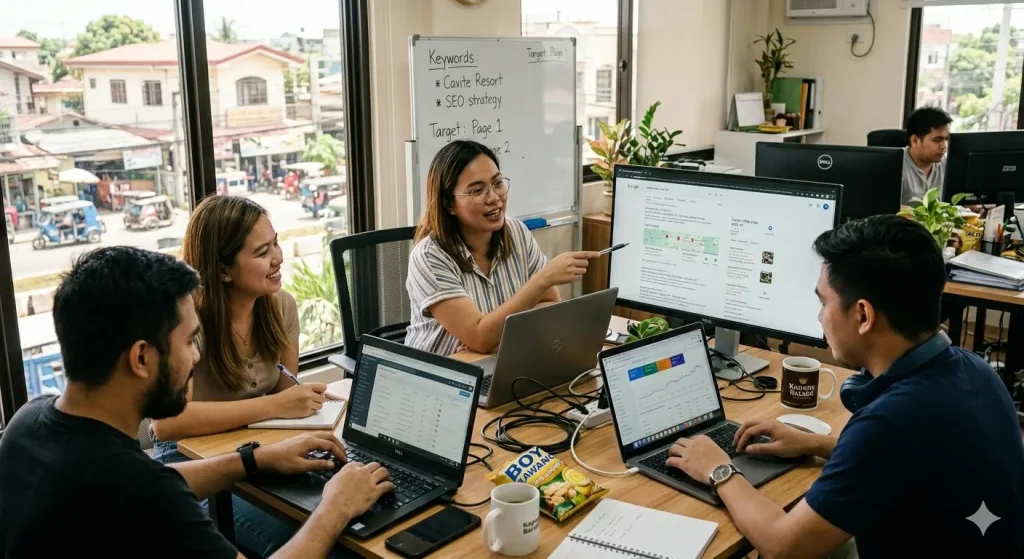
SEO Services in Australia: How to Increase Organic Traffic in Competitive Markets
Australia is one of the most competitive digital markets in the Asia Pacific region. Whether you operate in Sydney, Melbourne, Brisbane, or Perth, ranking on the first page of Google is no longer optional. It is the difference between steady inbound leads and being invisible.
If your business is struggling to increase organic traffic, you are not alone. Many Australian businesses invest in websites and content but fail to build a structured SEO strategy that delivers measurable growth.
In this article, we break down how SEO Services in Australia can help you compete, increase organic traffic, and generate consistent revenue from search.
Why Organic Traffic Matters More Than Ever in Australia
Paid ads can generate short-term visibility. But once you stop spending, traffic stops.
Organic traffic is different. When your website ranks well, it becomes a long-term asset. Every page becomes a lead-generation channel that works 24 hours a day.
In competitive Australian markets such as real estate, finance, construction, legal services, and eCommerce, businesses that dominate organic rankings often:
- Receive consistent inbound inquiries
- Build stronger brand authority
- Reduce dependency on paid advertising
- Lower long-term customer acquisition costs
SEO is not about vanity metrics. It is about sustainable growth.
The Reality of Competitive Markets in Australia
Many industries in Australia are saturated. Competitors are investing in content, backlinks, technical optimization, and local search.
If you are not actively improving your SEO, your competitors are moving ahead.
Common challenges businesses face include:
- Strong domain authority competitors
- Established brands dominating search results
- High competition for commercial keywords
- Poor technical website structure
- Weak content strategy
This is where professional SEO Services in Australia make a measurable difference.
Step 1: Technical SEO as the Foundation
Before content, backlinks, or keywords, your website must be technically sound.
Technical SEO ensures that:
- Search engines can crawl and index your pages
- Your site loads quickly
- Your website is mobile responsive
- Structured data is implemented correctly
- There are no broken links or duplicate content issues
Many Australian businesses unknowingly lose rankings because of slow site speed, poor internal linking, or improper indexing.
At Brayne Digital, technical audits are always the starting point. Without a strong foundation, no amount of content will deliver consistent results.
Step 2: Strategic Keyword Research for Australia
Ranking for generic keywords is not enough. You need targeted, intent-driven keywords that match what Australian customers are actually searching for.
- A proper keyword strategy includes:
- High-intent commercial keywords
- Location-based keywords such as city or state modifiers
- Service-based keywords
- Long-tail keywords with lower competition
For example, instead of targeting a broad term like “SEO,” an Australian business should focus on:
- SEO Services in Australia
- SEO agency in Sydney
- Local SEO services Melbourne
- eCommerce SEO Australia
The goal is not just traffic. The goal is qualified traffic that converts.
Step 3: Content That Demonstrates Authority
Google prioritizes expertise, experience, authority, and trust.
To increase organic traffic in competitive markets, your content must:
- Solve real problems
- Provide depth and clarity
- Address industry-specific questions
- Be structured properly with headings
- Include internal linking
Thin, generic blog posts do not work anymore.
Instead, businesses should develop:
- In-depth service pages
- Location-based landing pages
- Educational blog articles
- Case studies
- Industry-specific guides
When done correctly, content becomes your strongest competitive advantage.
Step 4: Local SEO for Australian Visibility
If your business serves specific cities or regions in Australia, local SEO is critical.
Local SEO includes:
- Optimizing your Google Business Profile
- Building local citations
- Creating city-specific landing pages
- Generating local reviews
- Implementing location schema
For example, a construction company targeting Brisbane must optimize differently than one targeting Perth.
Local visibility directly influences inquiries, especially for service-based businesses.
Step 5: Link Building in Competitive Markets
Backlinks remain one of the strongest ranking factors.
However, quality matters more than quantity.
Effective link building strategies include:
- Guest posting on relevant industry websites
- Digital PR campaigns
- Strategic partnerships
- Local directory submissions
- Authority site placements
Many Australian businesses struggle because they either ignore backlinks or use low-quality link schemes that damage their rankings.
A structured, ethical link-building strategy is essential to compete.
Step 6: Conversion Optimization
Traffic alone is not enough.
Once users land on your website, your design, messaging, and structure must convert visitors into leads.
This includes:
- Clear calls to action
- Trust signals
- Professional website design
- Fast-loading pages
- Mobile optimization
- Structured service explanations
SEO and web design must work together. Otherwise, increased traffic does not translate into revenue.
Why Businesses Outsource SEO Services in Australia
Many Australian companies partner with agencies overseas to reduce operational costs while maintaining quality.
Brayne Digital, based in the Philippines, provides:
- Technical SEO audits
- On-page optimization
- Keyword strategy
- Content development
- Link building
- Local SEO campaigns
Outsourcing to a skilled international team can reduce costs without sacrificing quality, especially when processes are structured and performance-driven.
The key is transparency, reporting, and measurable results.
How Long Does It Take to Increase Organic Traffic?
In competitive Australian markets, SEO is a medium to long-term strategy.
Typically:
- Technical improvements show impact within weeks
- On-page optimization can show movement in 1 to 3 months
- Strong growth in competitive niches often takes 4 to 8 months
Businesses that commit long-term consistently outperform those that treat SEO as a short-term experiment.
The Cost of Ignoring SEO
If your competitors are investing in SEO and you are not, the gap widens each month.
Over time, this results in:
- Reduced brand visibility
- Higher paid advertising costs
- Lost market share
- Lower inbound leads
SEO Services in Australia are not an expense. They are a strategic investment in sustainable digital growth.
FAQ
1. How long does it take for SEO Services in Australia to show results?
Most businesses begin seeing movement within 1 to 3 months, especially after technical fixes. Significant growth in competitive markets typically takes 4 to 8 months depending on competition and industry.
2. Is local SEO important for Australian businesses?
Yes. If your business serves a specific city or state, local SEO significantly increases visibility in Google Maps and location-based searches.
3. Can SEO reduce my reliance on paid ads?
Yes. Strong organic rankings provide consistent traffic, which reduces long-term dependency on paid advertising campaigns.
4. Do small businesses benefit from SEO in Australia?
Absolutely. With the right keyword targeting and local optimization, small businesses can compete effectively against larger brands.
5. What makes SEO competitive in Australia?
High digital adoption, established brands, and strong online competition make ranking more challenging. Strategic technical, content, and backlink efforts are required.
6. Should I hire a local or international SEO agency?
Both can work. What matters most is experience, process structure, transparency, and measurable reporting.
If you are unsure how your website performs in competitive Australian search results, start by assessing your current rankings, technical structure, and keyword strategy.
Understanding your position in the market is the first step toward building sustainable organic growth.
Your Vision Deserves To Stand Out.
Every industry has its own challenges and opportunities. Talk to our team about how the right website, SEO, and digital strategy can support your business goals.